
Rev. Laura Guy knows what it is like to lead a new congregation. While in seminary, she started Living Water Christian Church (LWCC) in Parkville, MO and was its pastor from 2004 to 2021.
In 2025, when Rev. Guy was called to serve as senior pastor at Smithville First Christian Church in Smithville, MO, she was faced with not only caring for a faith community that traced its roots back almost 200 years, but also caring for a building that was almost 100 years old itself.
With our help, Rev. Guy and her team have learned how to keep this historic building strong and beautiful for generations to come.
 The heart of Jesus in the heart of Smithville
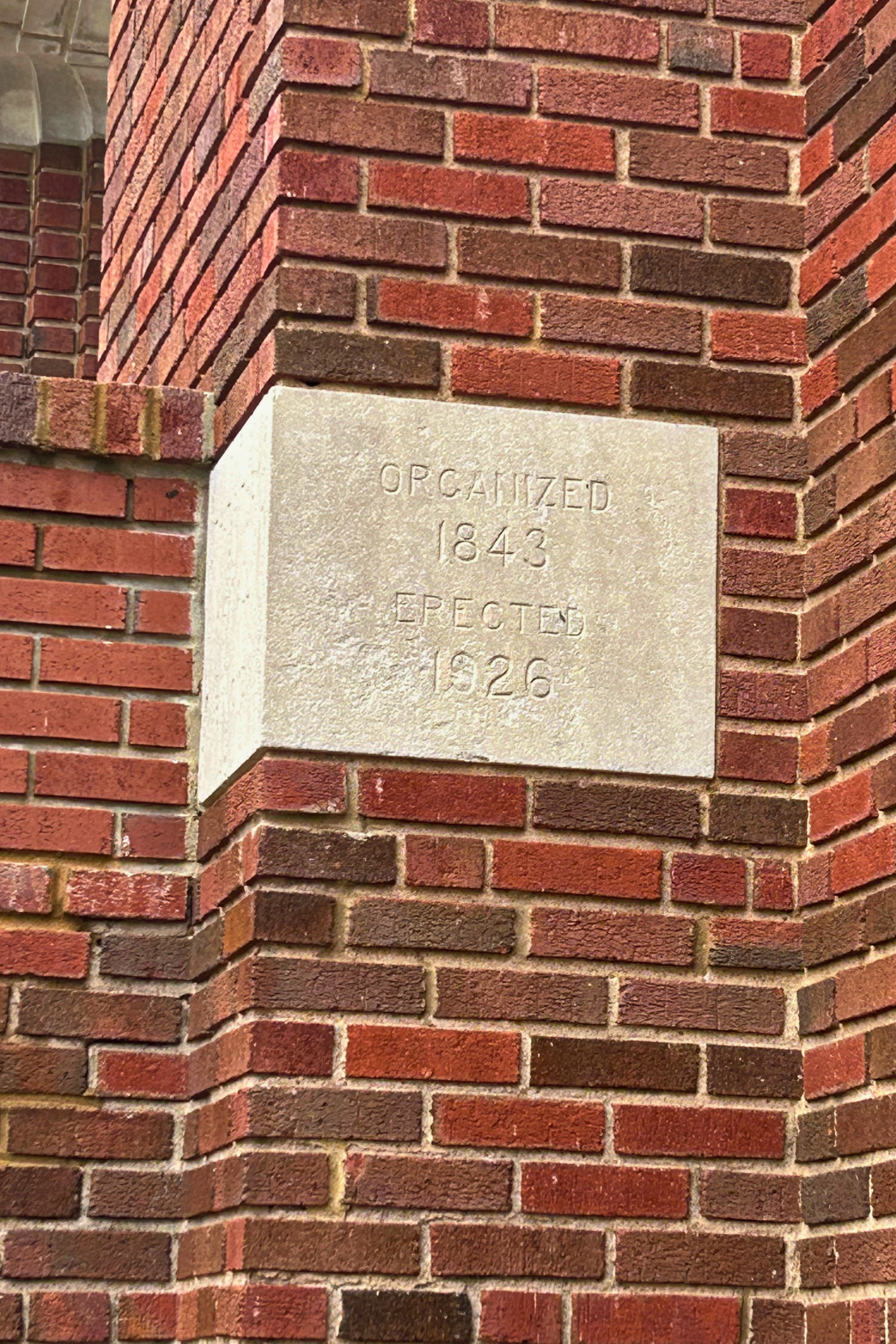
In 1827, a group of settlers from Kentucky, Tennessee, and Virginia began to meet under a grove of trees and in individual homes. Going on to write a charter 16 years later, this faith community became known as “The Church of Christ.” Their first building was finished in 1848 on the corner of Bridge and Church Streets, one block away from downtown Smithville. Almost 80 years later, they constructed their current facility slightly northeast of the first, and in 1998 updated it with a new kitchen, fellowship hall, classrooms, and elevator. Due to its historical significance, Smithville FCC is on the National Register of Historic Places as part of the Downtown Smithville Historic District and is the only church located in the downtown core.
Jesus’s love is for everyone
Not one to let its age hold it back from serving, the congregation is continually learning how to be the resource that its hometown and the world needs. To that end, it takes hospitality and fellowship seriously.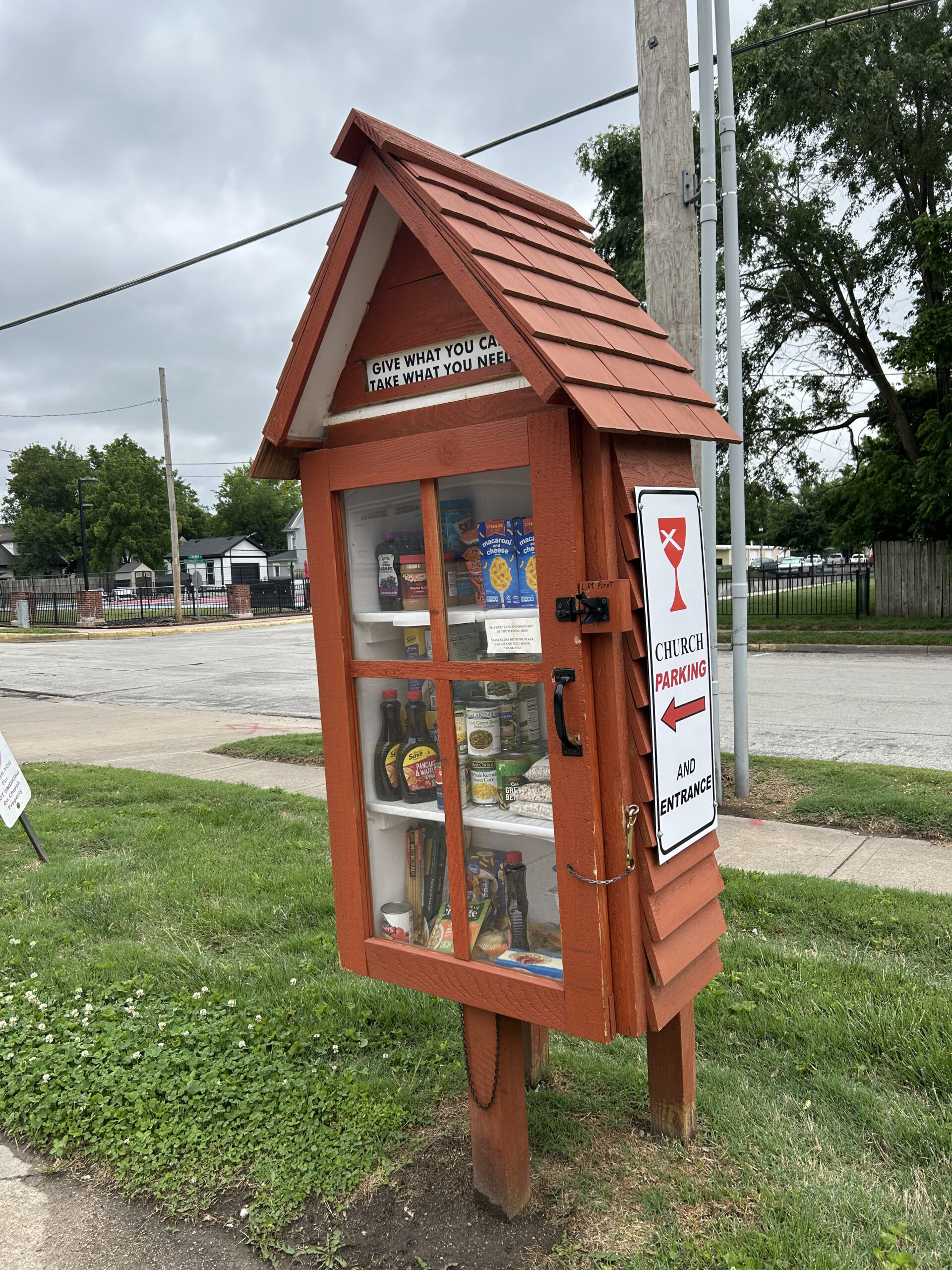
In the mid-1980s, the people of Smithville FCC began providing food to those in need, and in 2004, they opened a food pantry with regular hours. Today, that pantry is the only weekly pantry in the area and on average, it serves 30 families a week. On Tuesday mornings it provides baked goods, tomatoes from the church’s garden, fruits and vegetables from congregants’ family farms, and overstock produce from local grocery stores. Yearly donations come in from neighbors that hold food drives and monthly donations arrive from local churches while semiannual donations come from Mid-Continent Public Library’s “Food for Fines” program. In the church’s parking lot, Smithville FCC members have also erected a 24-hour blessing box filled with non-perishables that folks can access anytime that they are hungry.
DCEF consultation identifies areas of improvement
Following Rev. Guy’s tenure at LWCC, she decided to take a break from new church work and transition into the secular nonprofit field. But after three years, she sensed God was calling her back into congregational ministry. At the same time, Smithville FCC was having trouble finding a full-time pastor to fill their vacant position and members of the congregation began to wonder if it was the beginning of the end for their faith community.
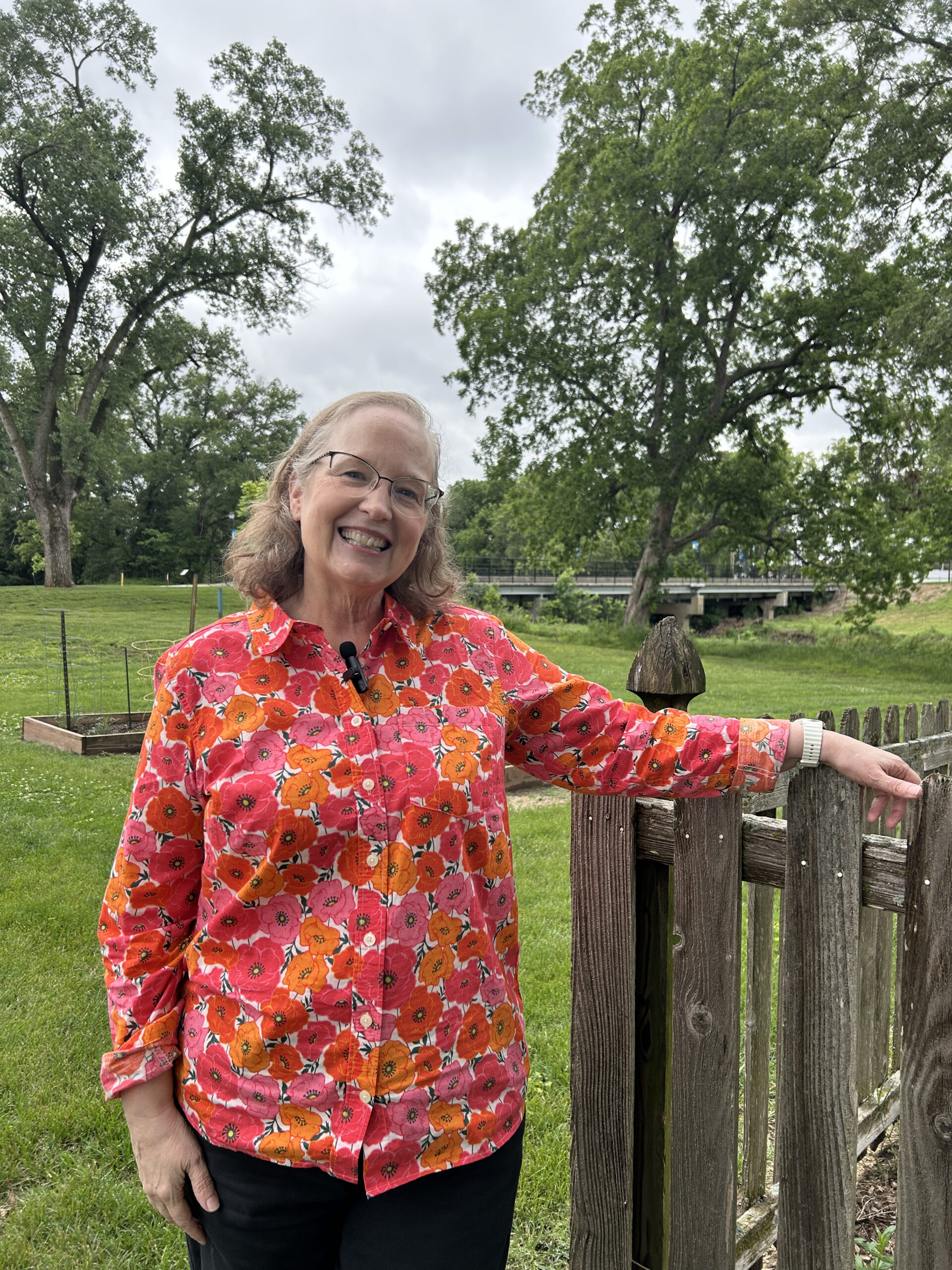 When Rev. Guy learned of the job posting, she felt like it couldn’t possibly be where God wanted her to be. Not only did she not live in town, she didn’t even live in the state. Her home is in Kansas, a 45-minute car commute. But the more she talked with the search committee and the congregation, the more she changed her mind. So last January she took the plunge and answered God’s call on her heart.
“Shortly after I arrived here, I reached out to [Disciples Church Extension Fund Building and Capital Services Advisor] Jim Michel. I had worked with him at LWCC when we were building a new sanctuary, and I just wanted his input,” says Rev. Guy. “Building something new in a new place of worship is very different from maintaining something that’s already here.”
Part of that upkeep is taking care of the building’s exterior façade, which is made of brick.
Last June, Jim visited Smithville FCC and walked around the property. Through an initial consultation, he identified problem areas for leadership to be aware of.
His assessment found that moisture was getting into the church’s structures resulting in mold, a red flag for anyone trying to preserve a historic building. During Jim’s stay in Smithville, there had been a heavy downpour, resulting in a considerable amount of water coming into the congregation’s facility above the south entrance and down into the pantry area. He talked to the church’s staff about the importance of checking the building’s gutters as well as tuckpointing, which is the process by which deteriorated mortar between bricks is removed and replaced with fresh mortar.
“We took bids to do the tuckpointing work and finally found a restoration company to do that for us. That’s been going on for probably five months now,” explains Rev. Guy. “‘Sealing that envelope’ is very expensive and time consuming. It’s a huge investment, but [worth it, because] this building is our biggest asset too.”
Smithville FCC was able to raise funds to pay for this work and has upgraded its guttering and downspouts as well.
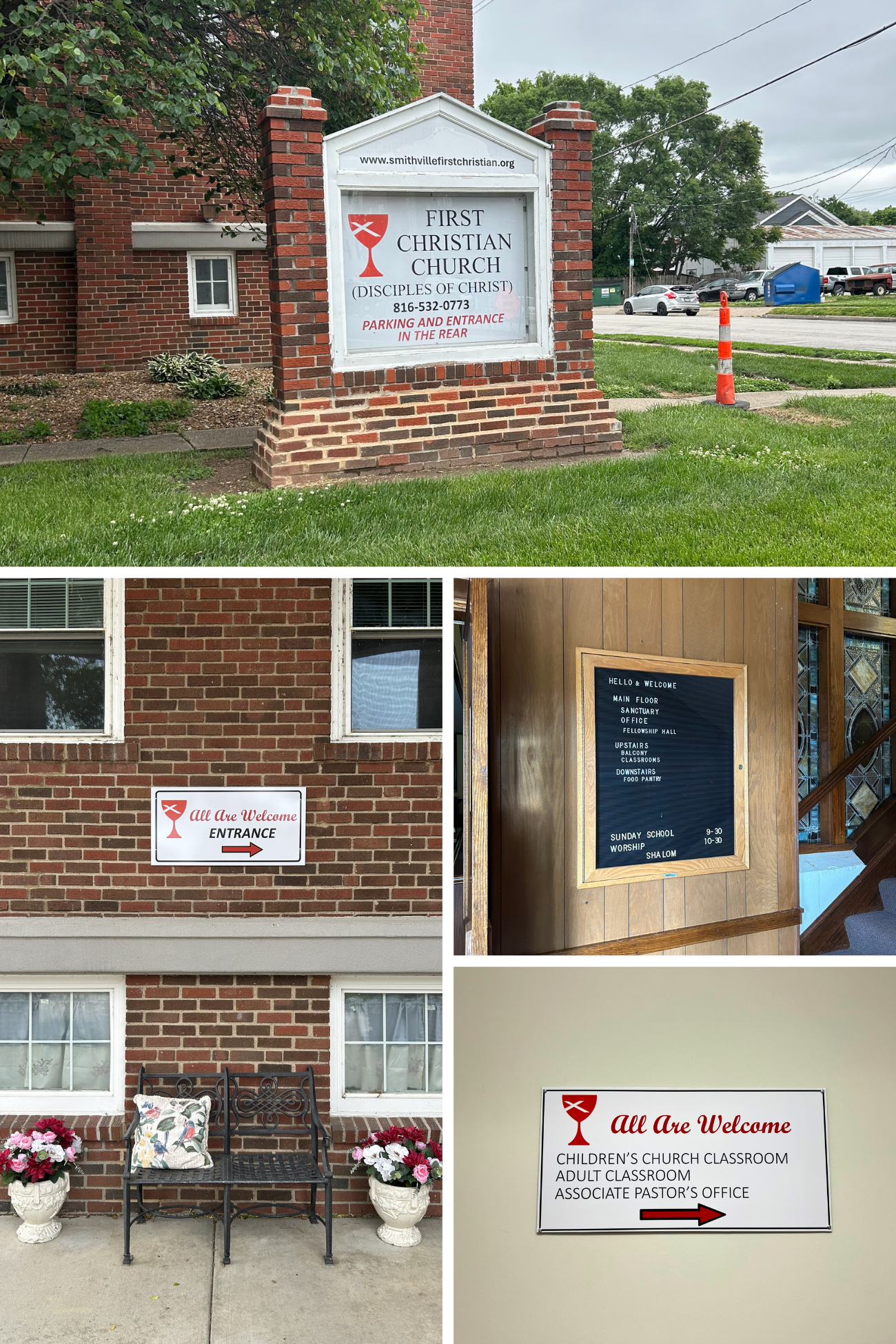 Jim’s assessment also found that the church had poor external and internal signage. In fact, there was only one single sign on the entire property, located at its southwest corner and parallel to the main street out front. It was almost impossible to read while driving by, making it hard to tell the name of the church. In addition, the lack of signage made it difficult for visitors to locate the entrance and once they did, they could not find the offices, restrooms, nor the pantry. To address these issues, Rev. Guy and her colleagues had 34 signs made and installed both inside and outside of the building.
“That was one of the first things we did based on his report,” she recalls. “We have many more signs, and now that people can figure out where they need to go, we think it’s much more welcoming.”
Signs do more than just point the way. They help visitors feel welcomed, direct people safely through, and communicate the culture and feel of your community. If your faith community needs help learning about what signs to place where, then check out our Signage Planning Guide.
The future is still being written
As Rev. Guy and her flock look to the future, they plan to celebrate their faith community’s 200-year-anniversary next year with a birthday party—while keeping their hearts open for what God may call them to next.
“We’re just having a great time together and people are getting excited about the things that are happening here,” she concludes. “We’re seeing more people come to worship, giving is up, and there’s just a sense of hope now—which is kind of unique for a church that’s 200 years old.”
Is your faith community unsure of what its ministry needs? Whether it’s a congregation, camp, region, or seminary, an initial consultation with us is the first step to planning its path forward. Contact your regional Building and Capital Services Advisor to learn more about this service.